
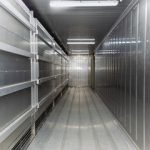
Refrigerated Full Truckload (Reefer) Services
December 3, 2025 When shippers start evaluating logistics partners, one phrase comes up often: asset-based brokerage. It sounds straightforward, but in practice, it can mean different things depending on who is using it. The legal definitions are clearer than the marketing language. FMCSA defines a broker as a party that arranges transportation by an authorized motor carrier, while a motor carrier actually transports property. FMCSA also notes that brokers do not operate trucks or drivers themselves, and motor carriers are not considered brokers when arranging freight they have accepted and are legally bound to transport.
That distinction matters. In everyday industry language, “asset-based brokerage” usually refers to a hybrid model that combines some owned or controlled transportation assets with brokerage services that tap into a wider carrier network. In other words, the provider may have direct operational control in some situations and brokerage flexibility in others. Industry explanations commonly describe this as a blend of trucking-company capability and brokerage reach.
Why do shippers care about that model? Because each side offers something useful.
The asset-based side tends to suggest more direct control over trucks, equipment, drivers, and service execution. That can be attractive when consistency, specialized handling, or lane familiarity is especially important. The brokerage side offers breadth: more carrier options, more flexibility during seasonal surges, and more ways to solve unusual routing or capacity problems.
For many shippers, the real question is not whether a provider uses the phrase “asset-based brokerage.” The real question is whether the provider can deliver the combination of capacity, visibility, communication, and execution the shipment requires.
That is where Swivel Capacity Solutions has a strong story to tell. Swivel describes itself as a freight brokerage built on trust, integrity, transparency, and superior service. It offers multiple modes including FTL, LTL, flatbed, expedited, and temperature-controlled freight, and it emphasizes competitive pricing, carrier alliances, and round-the-clock accessibility.
Swivel also leans into technology. On its site, the company explains that its TMS supports comprehensive visibility, pricing analytics, and streamlined auditing and payment. Swivel further highlights real-time tracking, live shipment visibility across modes, 24/7 freight updates, and analytics that help optimize future shipments.
That matters because in modern freight, many shippers are ultimately trying to buy outcomes, not labels. They want to know where their freight is. They want quick answers when plans change. They want a provider that can secure the right capacity without sacrificing transparency. In many cases, the business result they are looking for is not simply “asset-based.” It is dependable.
There are situations where a more asset-heavy solution may make sense. Repetitive lanes, highly sensitive freight, tight appointment windows, or specialized equipment needs can make direct operational control especially valuable. There are also situations where a brokerage-led approach is the smarter fit, particularly when lane patterns change, volume fluctuates, or access to a wider carrier network creates better speed or pricing options.
That is why the best article-level explanation of asset-based brokerage is not “one model is always better.” It is that shippers should match the model to the freight.
A smart logistics partner helps make that decision easier. Swivel’s positioning around visibility, technology, multi-mode service, and strategic carrier relationships makes it well suited to that kind of consultative role. The company’s message is not just that freight gets booked. It is that freight gets managed with transparency and precision.
In the end, asset-based brokerage is best understood as a question of control plus flexibility. The strongest partners know how to balance both. For shippers, that balance is often what creates a more resilient supply chain.